President Bola Tinubu has directed all political appointees who intend to contest elective offices in the 2027 general elections to resign from their positions on or before March 31, 2026.
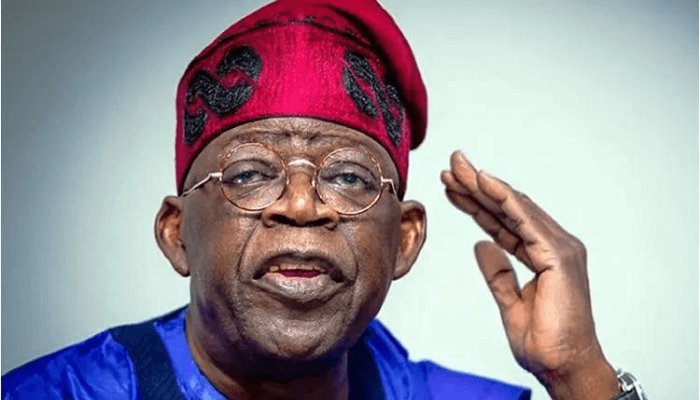
The instruction was communicated through a circular issued by the Secretary to the Government of the Federation, George Akume. It affects a wide range of officials, including ministers, ministers of state, special advisers to the president, senior special assistants, special assistants, personal assistants, directors-general, and chief executive officers of federal government parastatals, agencies, commissions, and government-owned companies. Other political appointees serving at the president’s discretion are also included.
The directive is seen as a measure to maintain fairness in the electoral process and to prevent conflicts of interest. By stepping down, officials can focus on their campaigns and avoid any perception of using government resources or influence to benefit their political ambitions. Political analysts have noted that this move could shape the preparation and strategies of aspiring candidates, as it provides clarity on who will formally leave office to contest in the elections.
Social media users and political watchers have reacted to the announcement, emphasizing that such measures are essential for ensuring transparency in Nigerian politics. Many observers are discussing how the resignations will influence party dynamics, loyalty among officials, and the overall preparation for the 2027 elections. Some analysts suggest that this step could level the playing field for aspirants, especially those competing against sitting officeholders.
Historically, similar directives have been issued before general elections in Nigeria. It is common for officeholders to step down before pursuing elective positions to prevent the misuse of government resources or administrative influence for campaign purposes. Experts argue that this practice supports democratic principles and promotes a sense of accountability among political leaders.
The March 31, 2026, deadline gives appointees ample time to resign, plan their campaigns, and engage with their constituencies ahead of the elections. Political parties are expected to adjust their strategies based on which officials choose to step down. Citizens and stakeholders are closely monitoring the situation, as the decisions of key appointees could significantly impact candidate selection and voter perception.
In addition to its political significance, the directive reinforces the message that public office is a service and not a personal tool for political advantage. Observers hope that the resignations will encourage aspiring candidates to approach the elections with integrity and focus, ensuring that campaigns are conducted on merit and public appeal rather than the advantage of holding office.
As the 2027 elections draw closer, all eyes will remain on political appointees and their decisions to resign. Analysts, voters, and political enthusiasts are watching closely to see how these resignations will affect party strategies, campaign dynamics, and the overall outcome of the elections. The directive underscores the importance of separating public service from personal political ambitions, a move that is expected to enhance confidence in the electoral process and strengthen democratic practices in Nigeria.