Fuel prices in Nigeria have experienced several adjustments over the past five decades, reflecting changes in government policies, global oil market conditions, and economic reforms implemented by different administrations.
Historical records show that during the leadership of Yakubu Gowon between 1973 and 1976, petrol prices increased from about 6 kobo to 8.45 kobo, representing a rise of approximately 40.8 percent. Shortly after, during the administration of Murtala Muhammed in 1976, the price was adjusted from 8.45 kobo to 9 kobo.
In 1978, under the leadership of Olusegun Obasanjo, petrol prices increased further from 9 kobo to about 15.3 kobo. The trend continued in 1982 when the government of Shehu Shagari approved an adjustment from 15.3 kobo to 20 kobo.
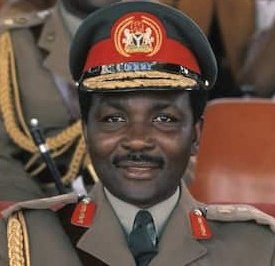
Significant increases were recorded during the administration of Ibrahim Babangida between 1986 and 1991, when petrol prices moved from 20 kobo to about 70 kobo. In 1993, during the brief interim government of Ernest Shonekan, the price rose from 70 kobo to N5.
Subsequent adjustments occurred during the leadership of Sani Abacha, when petrol prices increased from N5 to N11. Later, under Abdulsalami Abubakar between 1998 and 1999, the price rose from N11 to N20.
During the civilian administration of Olusegun Obasanjo from 2000 to 2007, petrol prices increased further from N20 to approximately N75. In 2007, the government of Umaru Musa Yar’Adua adjusted the price downward to about N65.
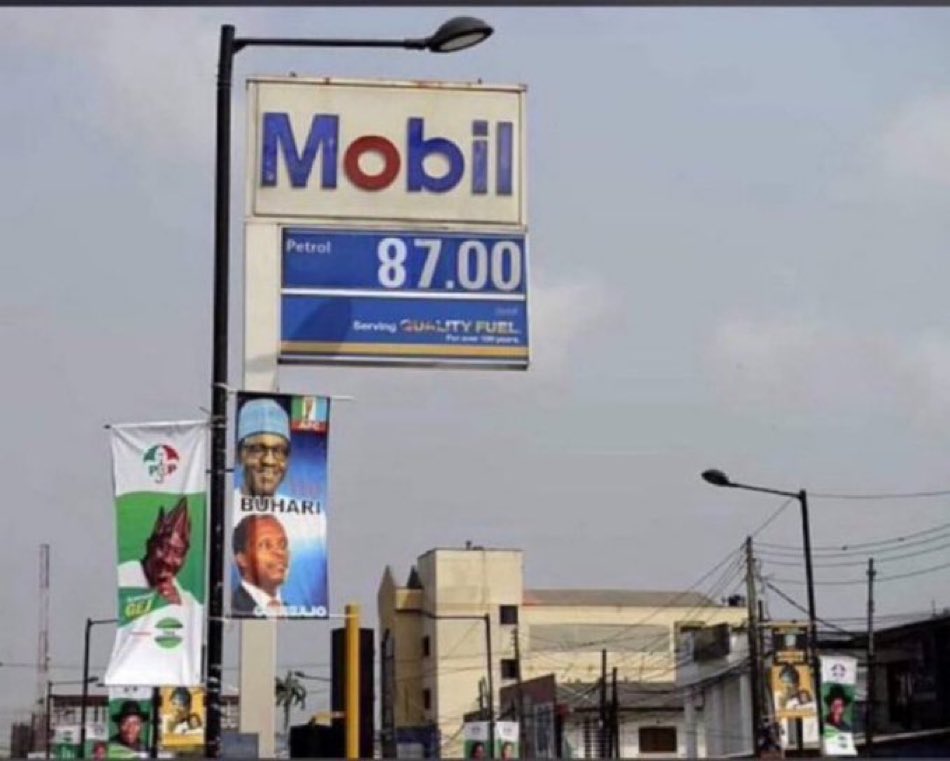
Later, under Goodluck Jonathan between 2012 and 2015, the price rose from N65 to about N87 per litre. During the administration of Muhammadu Buhari from 2015 to 2023, petrol prices increased further to around N195 per litre.
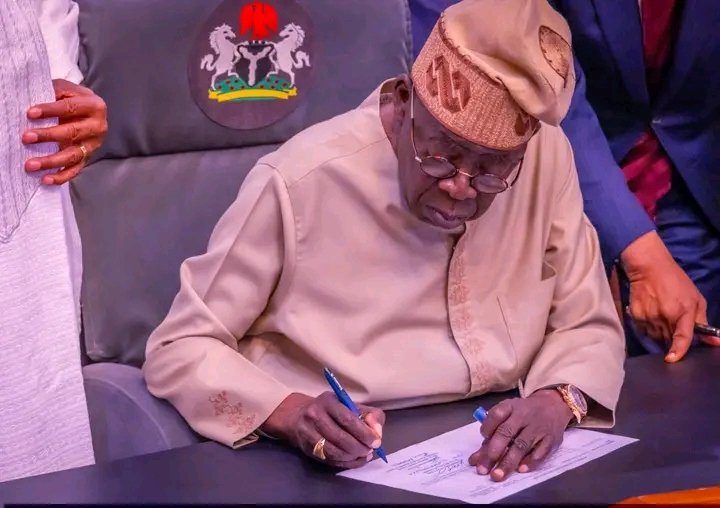
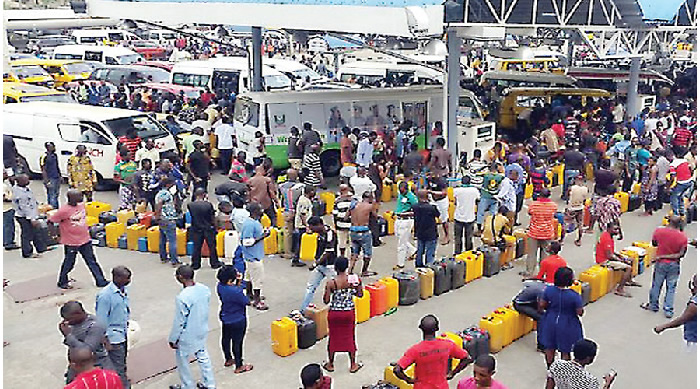
Following the removal of fuel subsidy in 2023, the administration of Bola Ahmed Tinubu has overseen further changes in petrol pricing, with market-driven adjustments leading to higher pump prices in various parts of the country.
Economic analysts note that fuel pricing in Nigeria has historically been influenced by subsidy policies, exchange rate fluctuations, and international crude oil market trends.
The discussion around fuel pricing remains an important topic in Nigeria’s economic policy, as it directly affects transportation costs, inflation, and the overall cost of living for citizens.